When it comes to the world of distilled spirits, gin and brandy stand out as two iconic yet fundamentally different beverages. While both have centuries of history behind them, they differ significantly in terms of ingredients, production methods, flavor profiles, and drinking occasions. If you've ever wondered whether gin or brandy is the better choice, this guide will help you understand the key differences and decide which one suits your taste.
What Is Gin?
Gin is a distilled spirit primarily made from neutral grain alcohol that is flavored with juniper berries and a variety of botanicals. The distinctive pine-like flavor of juniper is what defines gin and sets it apart from other spirits. Depending on the brand and style, gin may also include ingredients such as coriander, angelica root, citrus peels, cardamom, lavender, and many other herbs and spices.
What Is Brandy?
Brandy is a distilled spirit produced from fermented fruit juice, most commonly grapes. After distillation, brandy is typically aged in oak barrels, allowing it to develop a richer and more complex flavor profile. The aging process contributes notes of vanilla, caramel, dried fruits, spices, and oak.
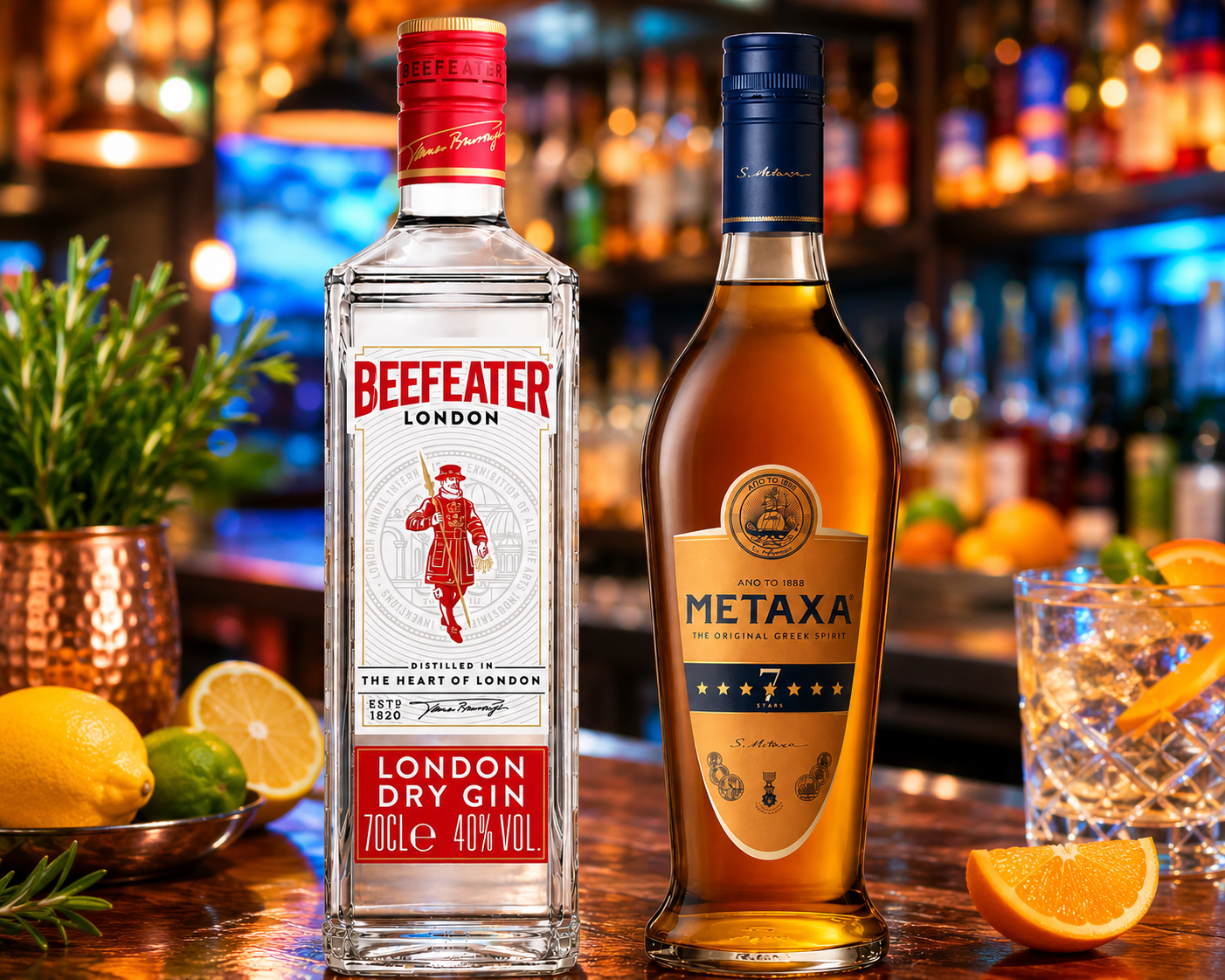
Key Differences Between Gin and Brandy
1. Production Process
The most significant difference between gin and brandy lies in how they are made. Gin starts with a neutral spirit that is infused or redistilled with botanicals, while brandy is distilled directly from fermented fruit and often undergoes barrel aging.
2. Flavor Profile
Gin typically offers herbal, citrusy, floral, and pine-like notes. Its flavor can range from bright and refreshing to intensely botanical.
Brandy, on the other hand, delivers richer flavors such as dried fruits, caramel, vanilla, nuts, and warm spices. It tends to be smoother and sweeter than gin, particularly after extended aging.
3. Serving Style
Gin is most commonly used in cocktails and mixed drinks. Its botanical character pairs exceptionally well with tonic water, citrus fruits, and a variety of cocktail ingredients.
Brandy is often served neat or with a small amount of water. While it can also be used in cocktails, it is more frequently appreciated on its own to fully experience its depth and complexity.
4. Best Occasions
Gin is often associated with social gatherings, summer evenings, and refreshing cocktails. Its light and vibrant character makes it ideal for warm-weather occasions.
Brandy is better suited for relaxed evenings, after-dinner drinks, and colder seasons. Its rich and warming profile creates a more contemplative drinking experience.
Final Thoughts
Gin and brandy represent two distinct approaches to spirit production and enjoyment. Gin captivates with its botanical freshness and cocktail versatility, while brandy impresses with its aged complexity and refined character.